ruimte [2026]
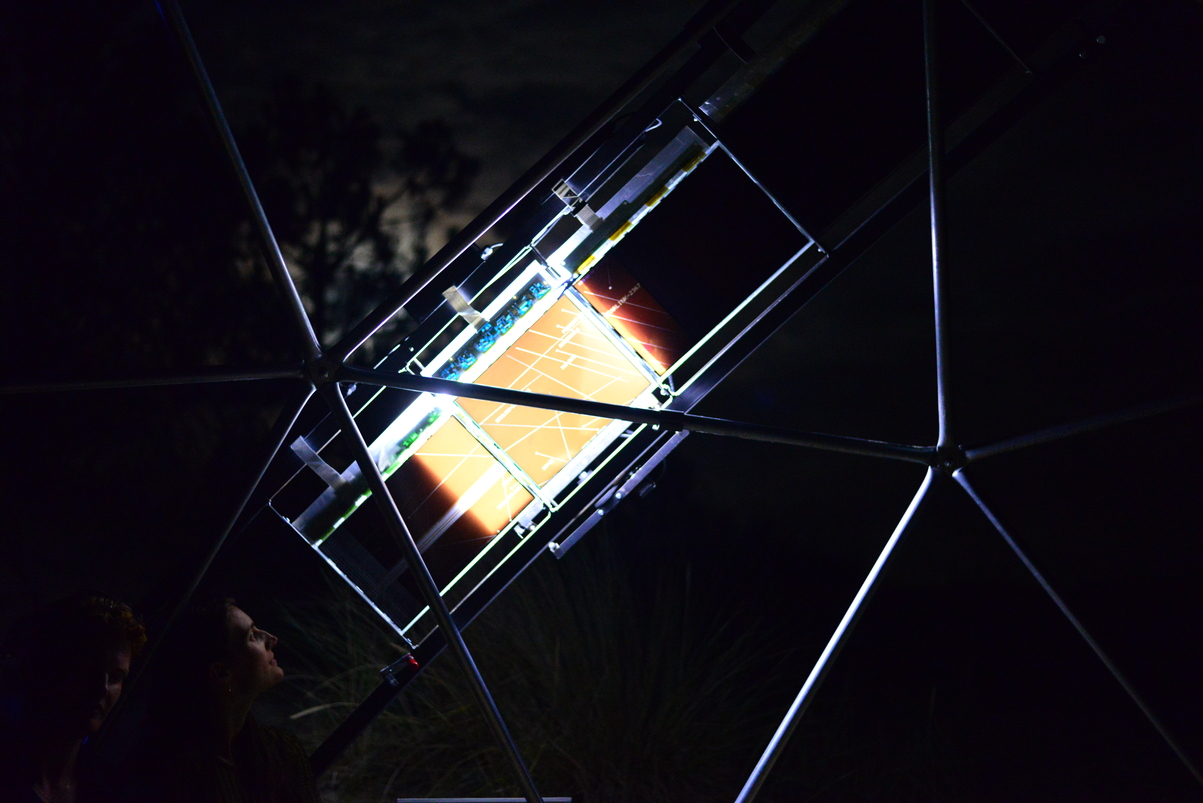
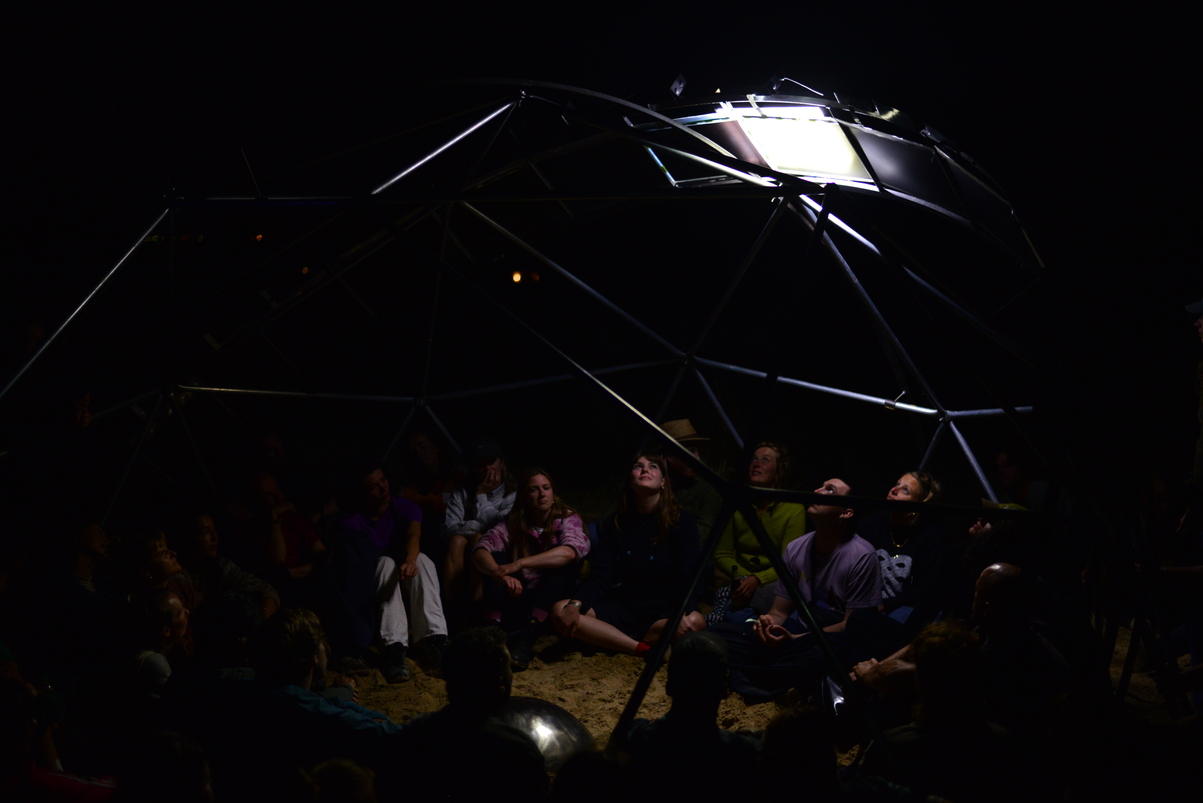
ruimte at into the great wide open [2026]
description
Page in progress
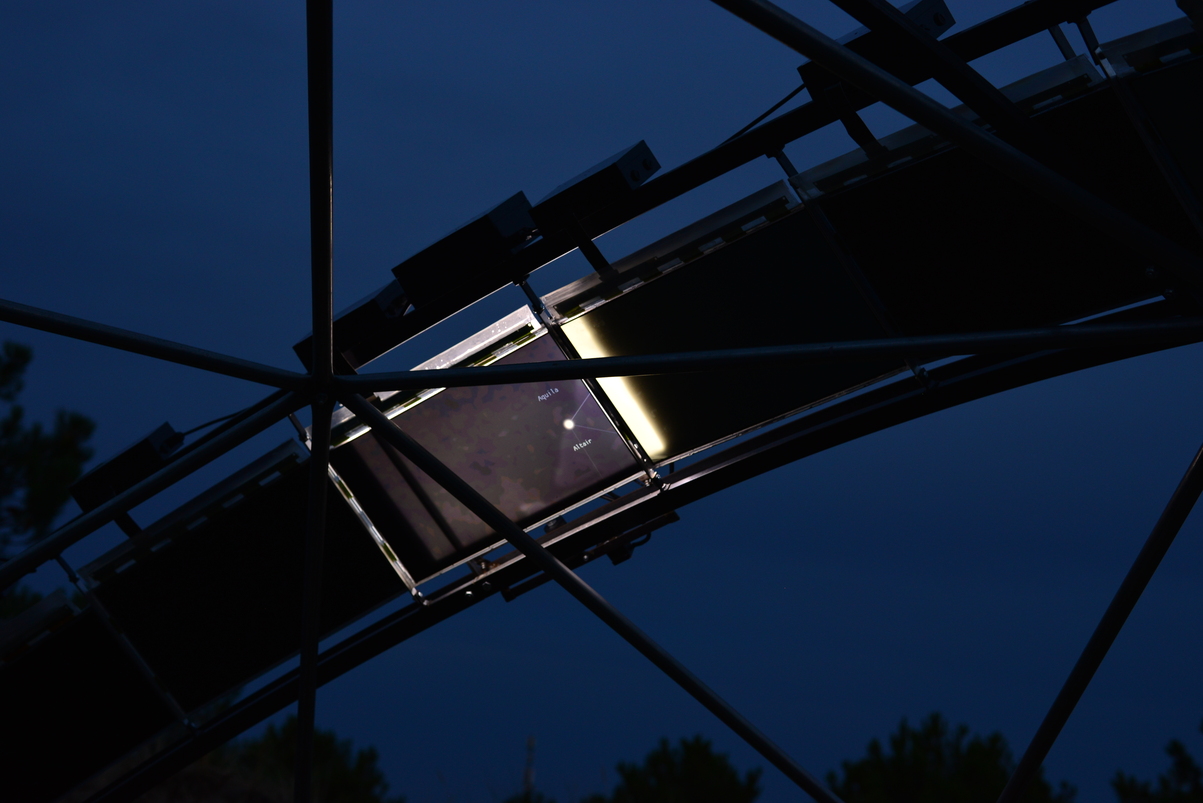
Our ancestors looked up to the sky for thousands of years. Astronomy might have been the first scientific field as it has been used to navigate, keep time, take care of the land and question our relation to the rest of the universe. This spiritual and practical knowledge has been developed and passed on through centuries. In Ancient Egypt the first visible appearance of the star Sirius at dawn meant the annual flooding of the Nile was close, which marked the beginning of a new agricultural year. And ancient navigators relied heavily on the positions of the sun and stars to find their way.
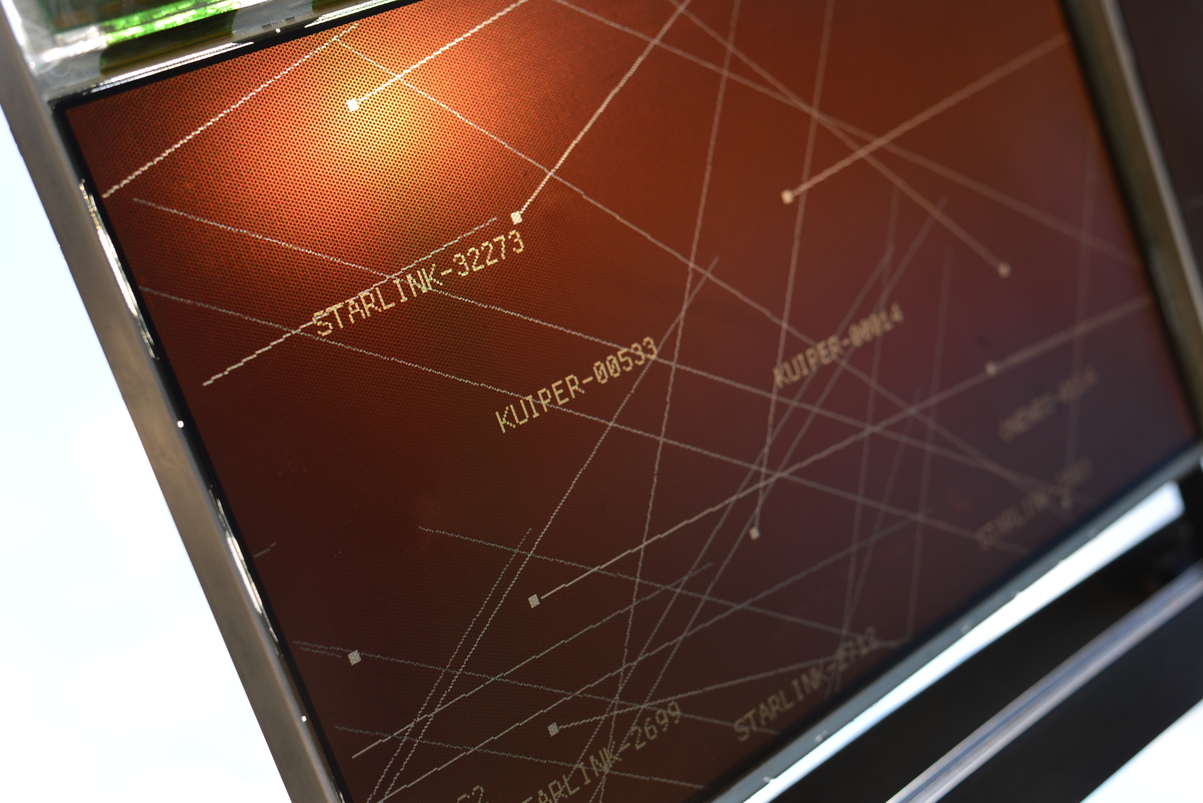
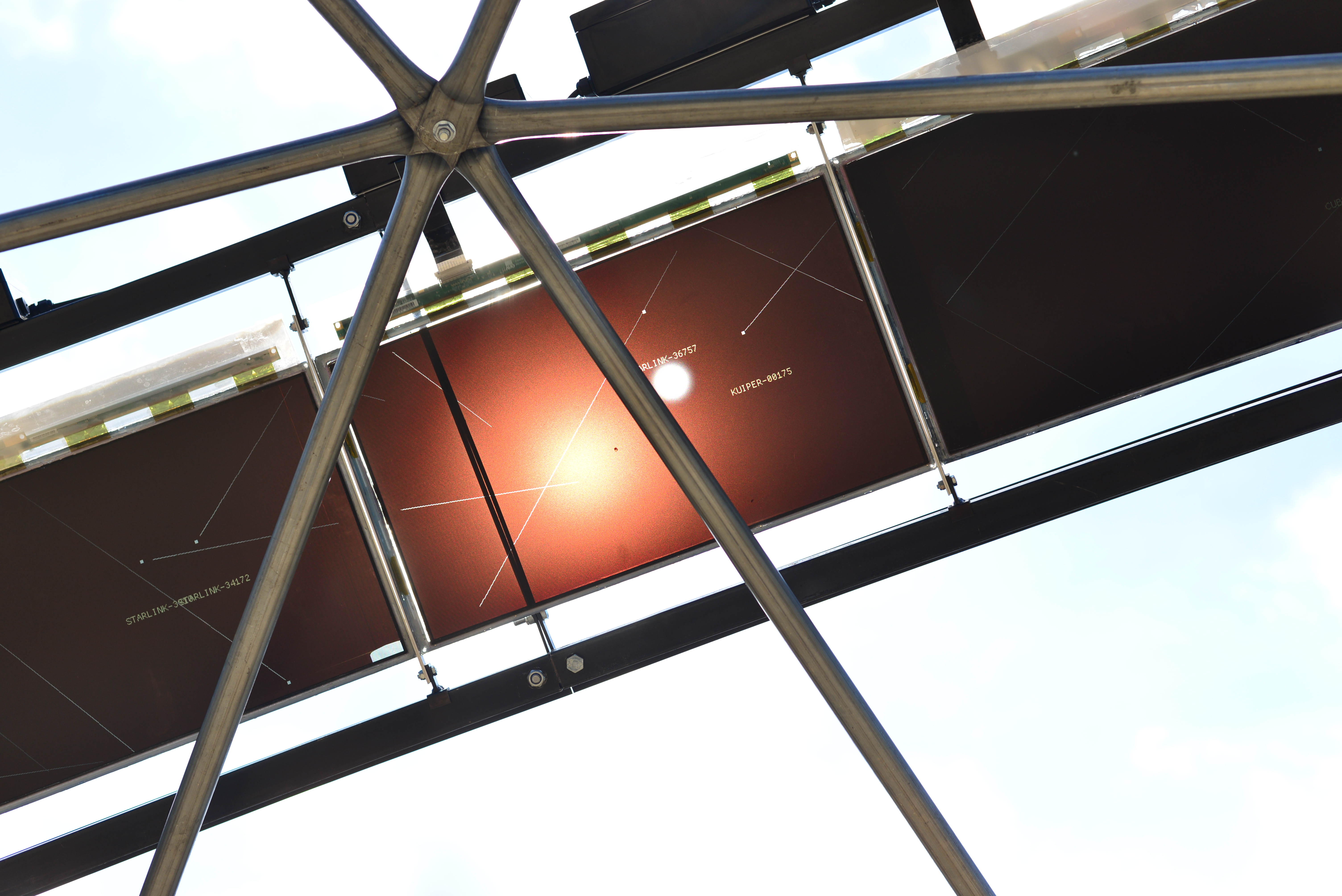
But as science developed and our cities came to light, our look at the stars became more and more faint. And then, in 1957, the first artificial satellite was launched. This event in the race for space domination started the so called 'Space Age'. Technological developments, often military projects, led to a sky with about 15.000 satellites as a shell around the earth on which we rely for navigation, timekeeping, communication, and studying the Earth's surface.
For a lot of us they diminished the last bit of need to rely on the stars, often beaming the information right to our pockets in the shape of a convenient app. Designed and governed by governments and Big Tech companies, space becomes a controlled infrastructure. How did this colonisation and privatisation of space change our relation to the stars?
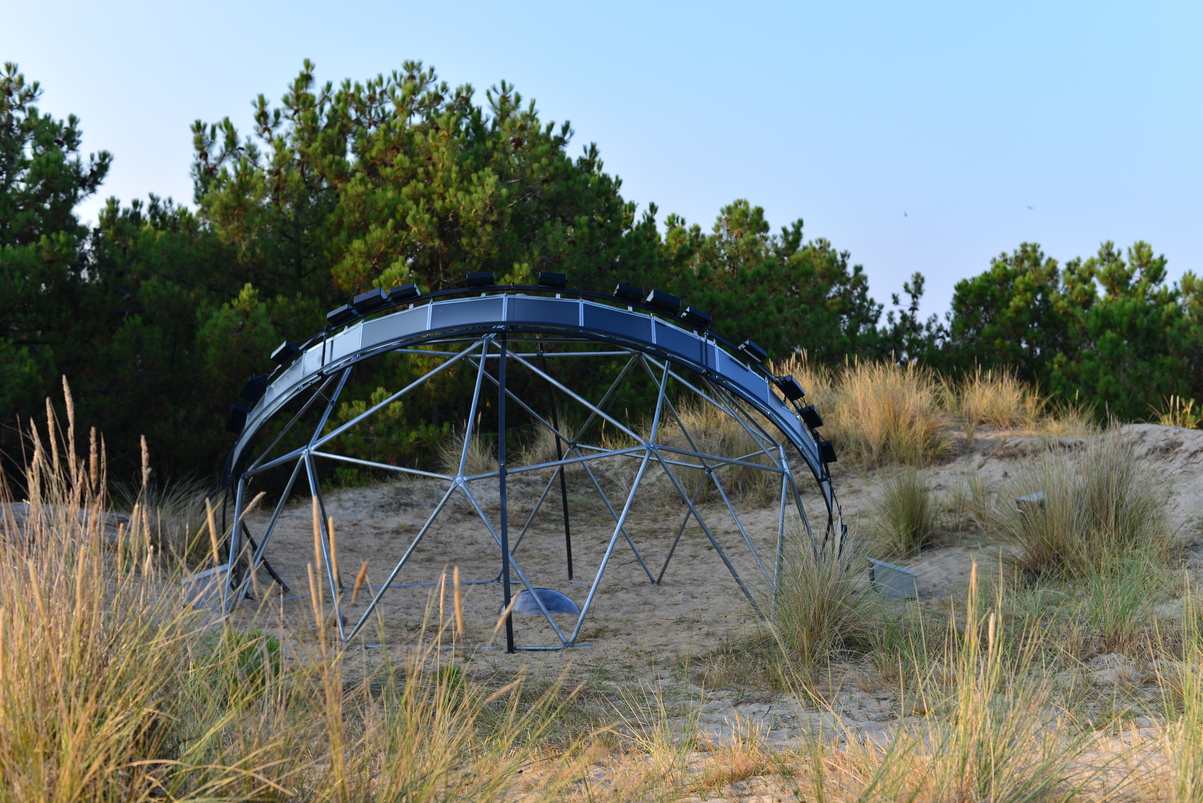
_ruimte_ was commissioned by into the great wide open
This work was developed with the support of;
Metal work >> Alper Çekinmez
Sound composition >> Myra-Ida van der Veen
Production work >> Britt van den Boogaard, Juli Laczko, Lewis Beal, and others :)
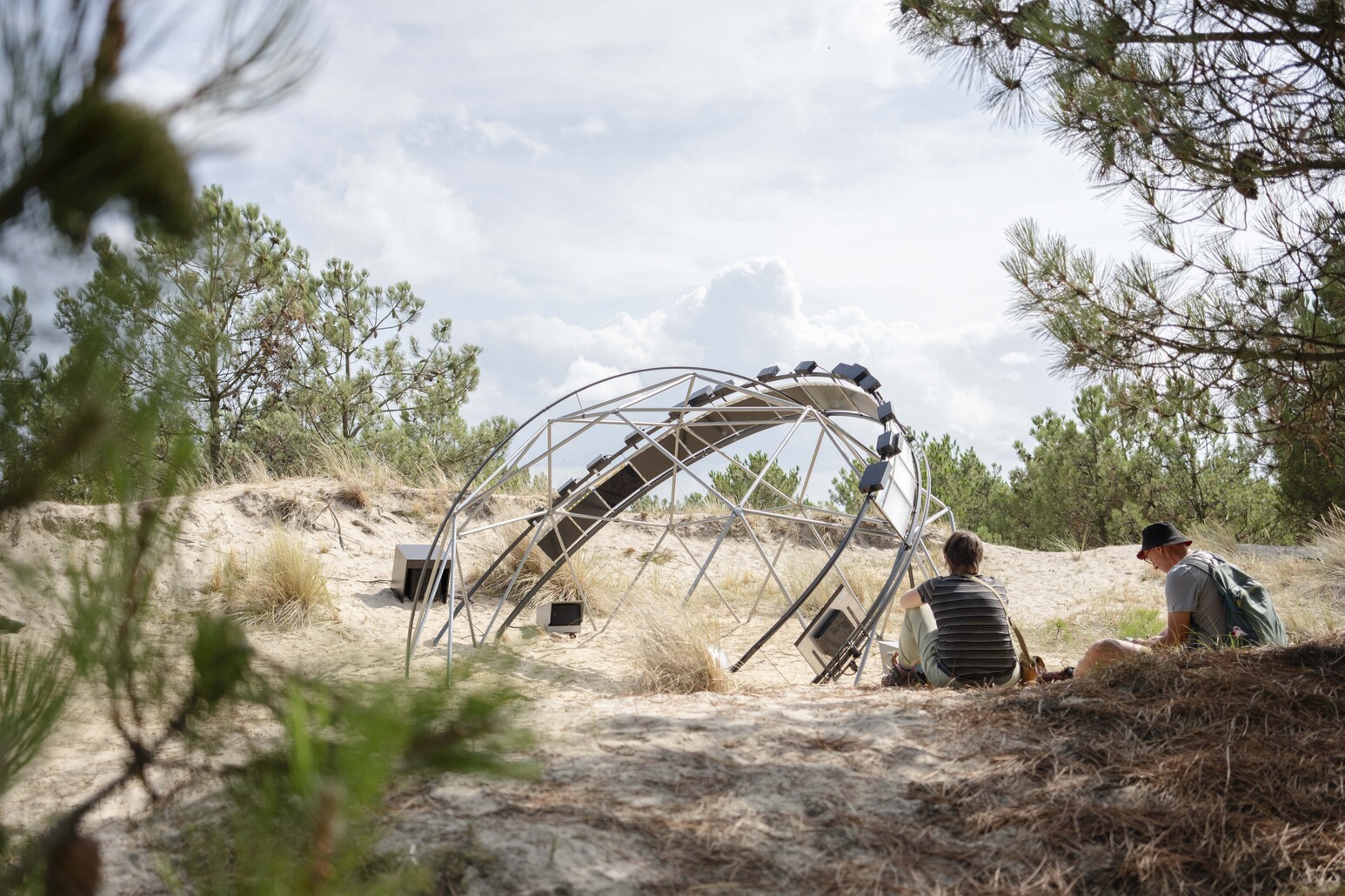
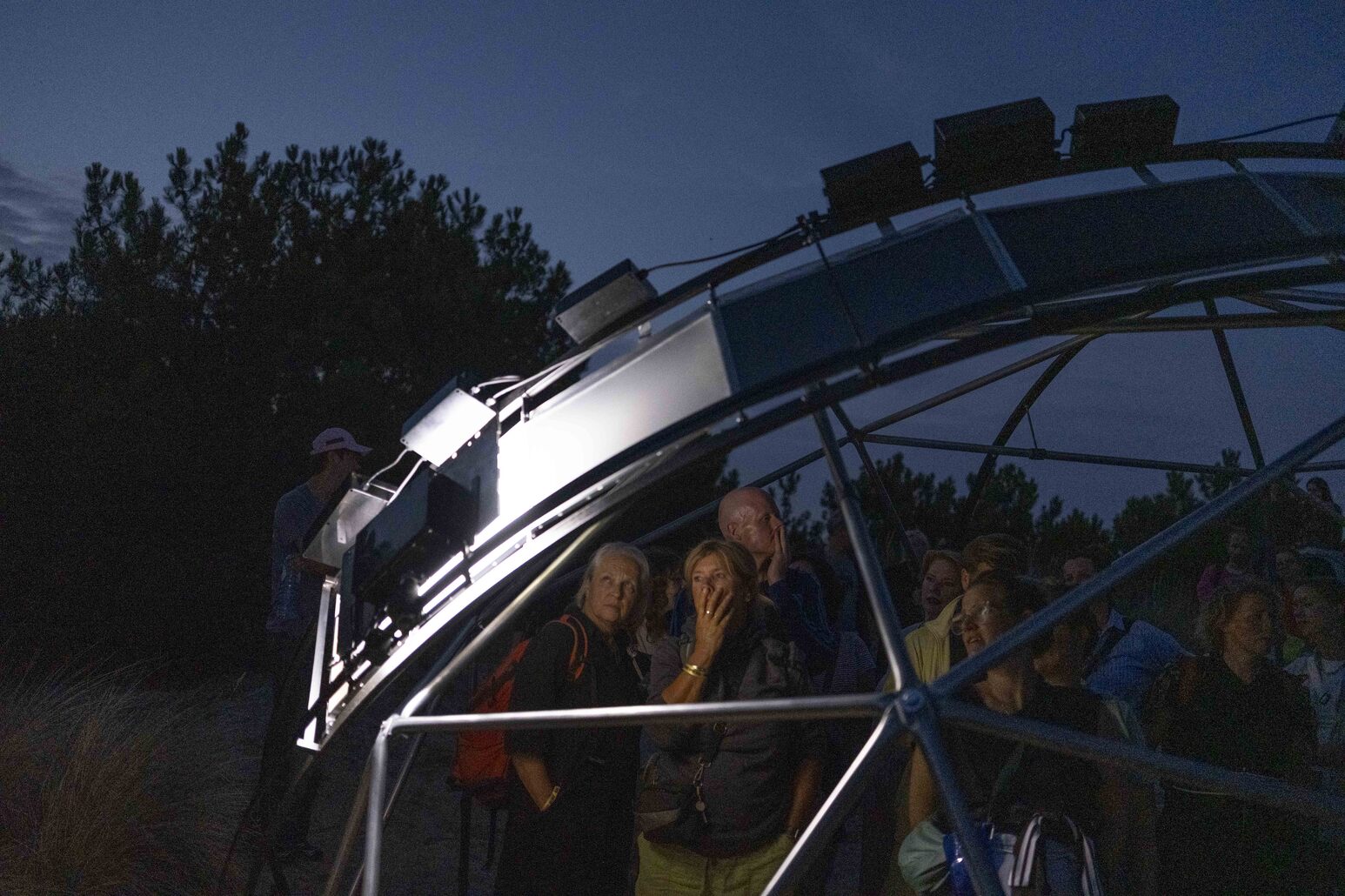
Photography by Nienke Maat